


- Share


Blanc House
Nuvali, Laguna, Philippines, 2024Brief
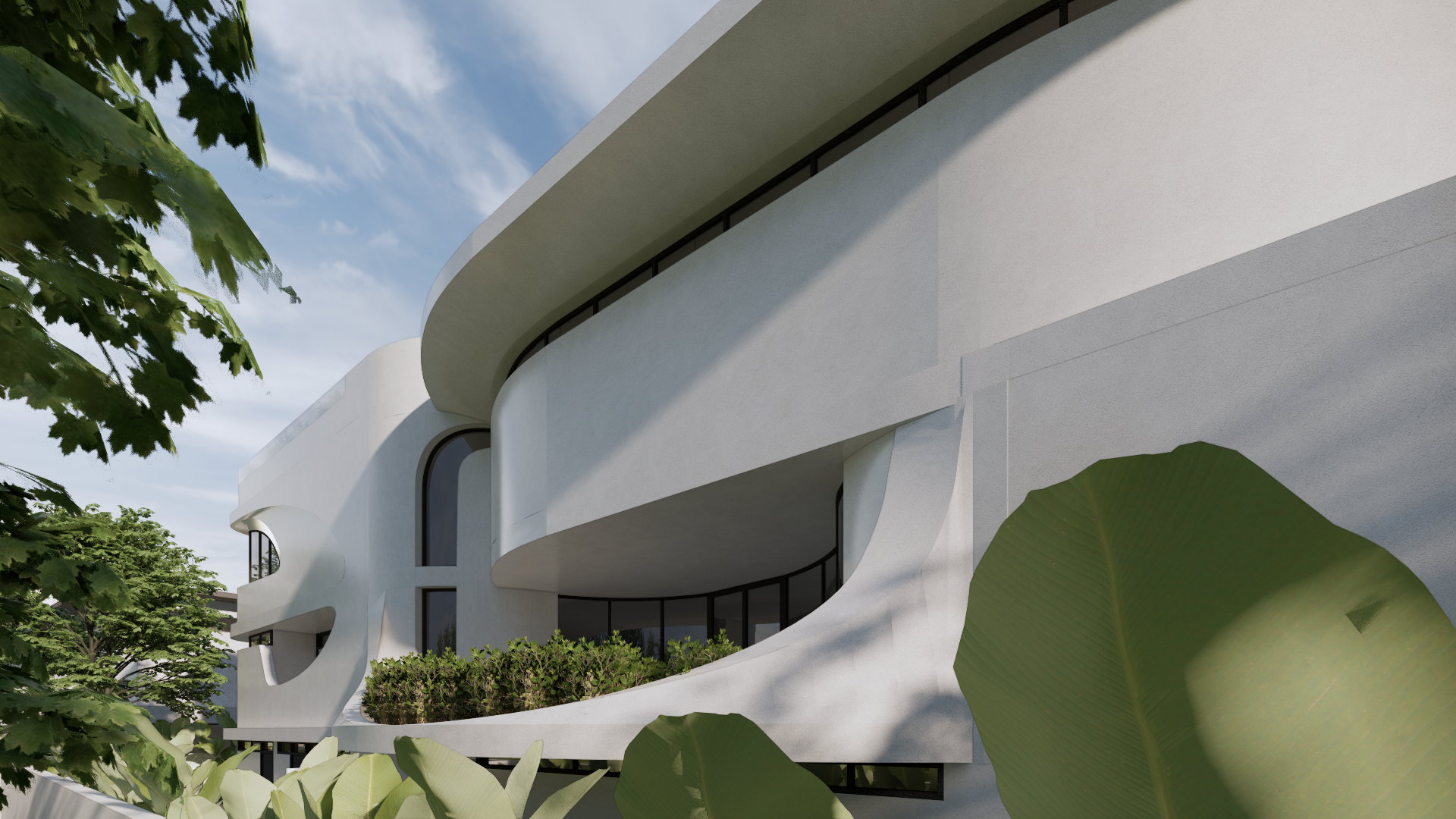
A non-traditional interpretation of a residential home, Blanc House stands as an exploration of both form and function, tailored to context-specific needs. Sinuous lines and curvaceous forms come together into a distinctive composition that helps redefine the limitations of what a modern contemporary residence can look like, inside and out.
Location \ Nuvali, Laguna, Philippines
Building Area \ 1,950 sqm
Program \ Residential
Status \ Design Development
A Different Kind of Home
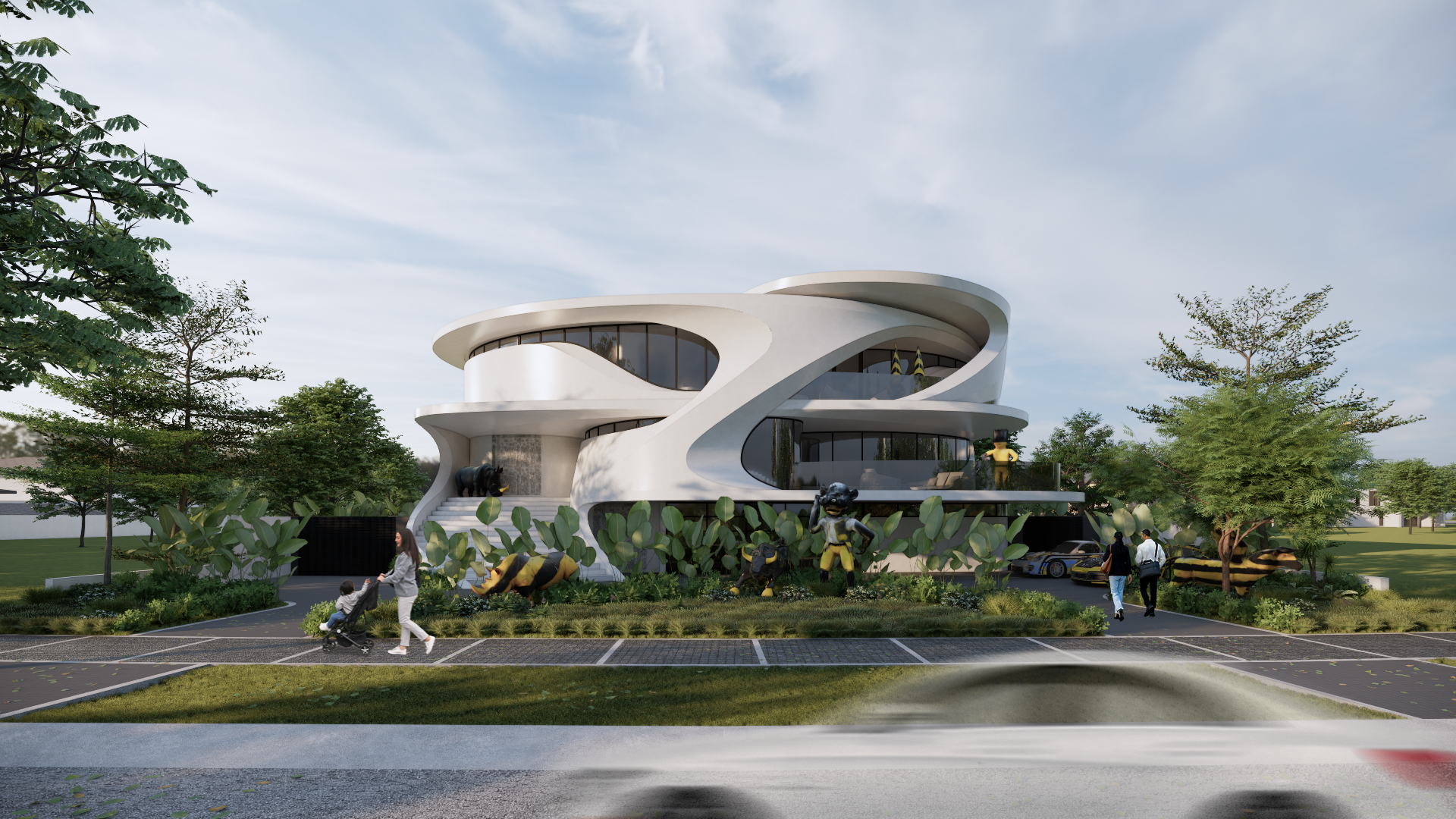
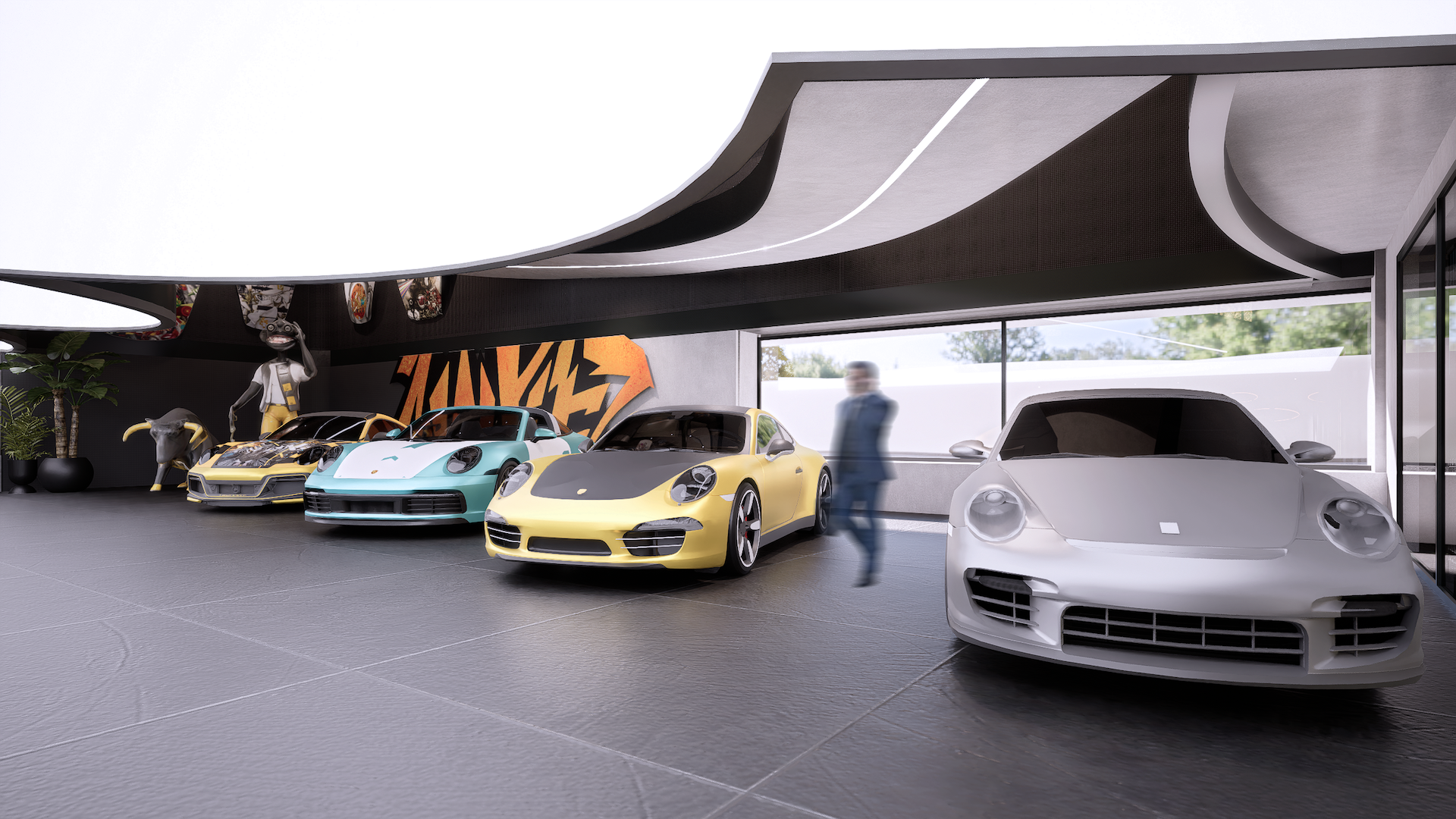
The main challenge with this residential project lay with its unique rationale and spatial program. The house, commissioned by a well-known contemporary artist, was originally conceived as a weekend house whose main function would be to store and display various show-cars and pieces of original art. Thus, the goal was to find the right balance between three spatial components—a house, garage, and gallery—which could only be achieved through a deeper understanding of the client and the factors that went into rationalizing this brief.
Tailoring Experiences
The Artist
Evident in the objects and colors woven throughout the building’s interior and exterior, the client is a well-known champion of Filipino contemporary design. Contemporary art is typically defined by a modern interpretation of art through varied mediums, often challenging the definition of traditional art itself.
With this, Blanc House had to embody a similar rebellious spirit: forgoing the rigidity of modern architecture with winding, almost serpentine forms, and abandoning neutral monochromatic tones with a strikingly vibrant color palette, featuring colors well associated with the art of the artist themself.


The Car Enthusiast
An extension of this propensity for art is an appreciation for the craft of cars. As a major part of the brief, automobiles became central to the concept of this project, exploring the question of how vehicles can inform architecture.
Using this as a primary driver for the design, dimensions associated with cars, such as turning radii and vehicular clearances, were used to inspire the plan of this residence. Colors, textures, and finishes inspired by certain elements of automobiles then helped inform the material choices used throughout the building’s design
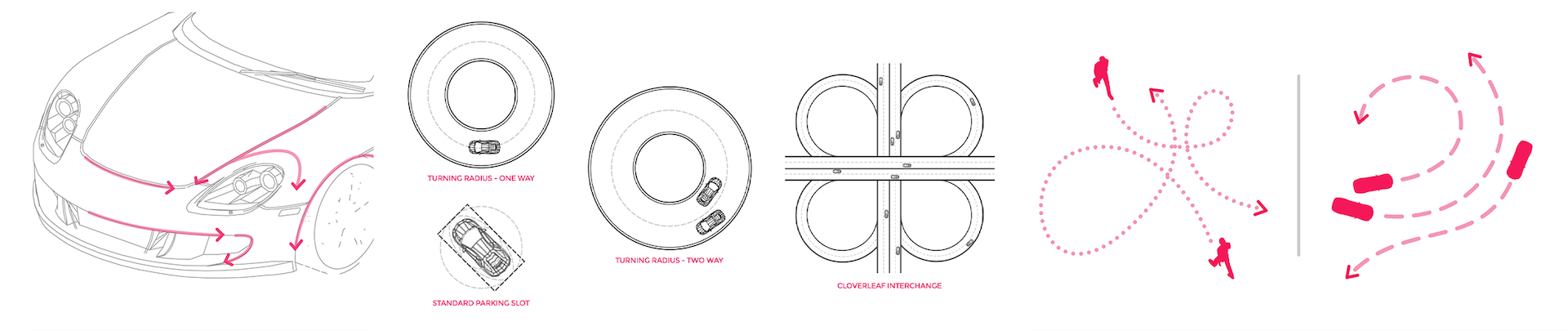
A Language of Movement
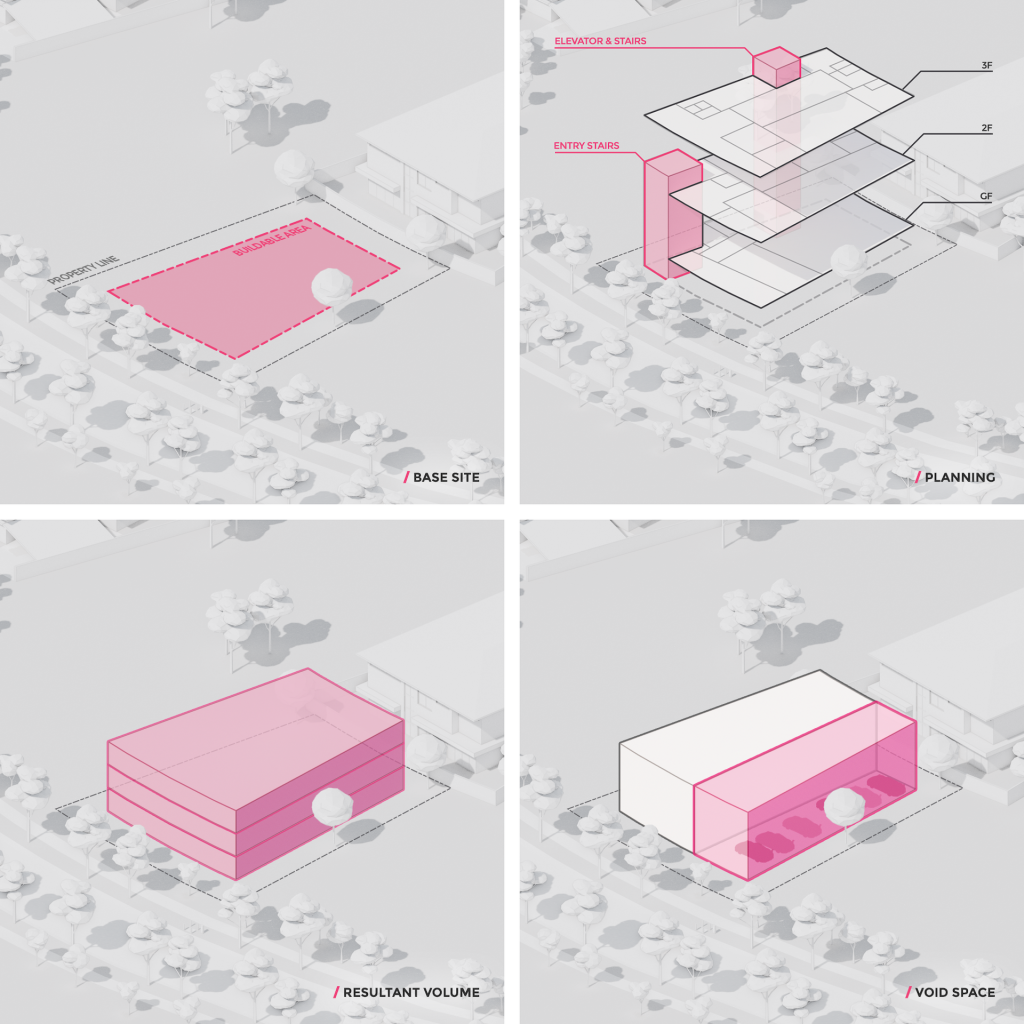
A Garage With A Home
Though weekend homes are typically framed with leisure and relaxation at the forefront—with functional demands kept discreetly in the background—in this case, function and utility had to play a more significant role, demanding a unique harmony between these spatial components.
As the program was translated into a workable massing, a large section of the residence was sectioned off to become a large triple-height void for the garage, making it the central nexus for the home. This large open vertical space then allowed for a secondary function: a large art gallery occupying the spaces above this garage.
The Spinal Ramp
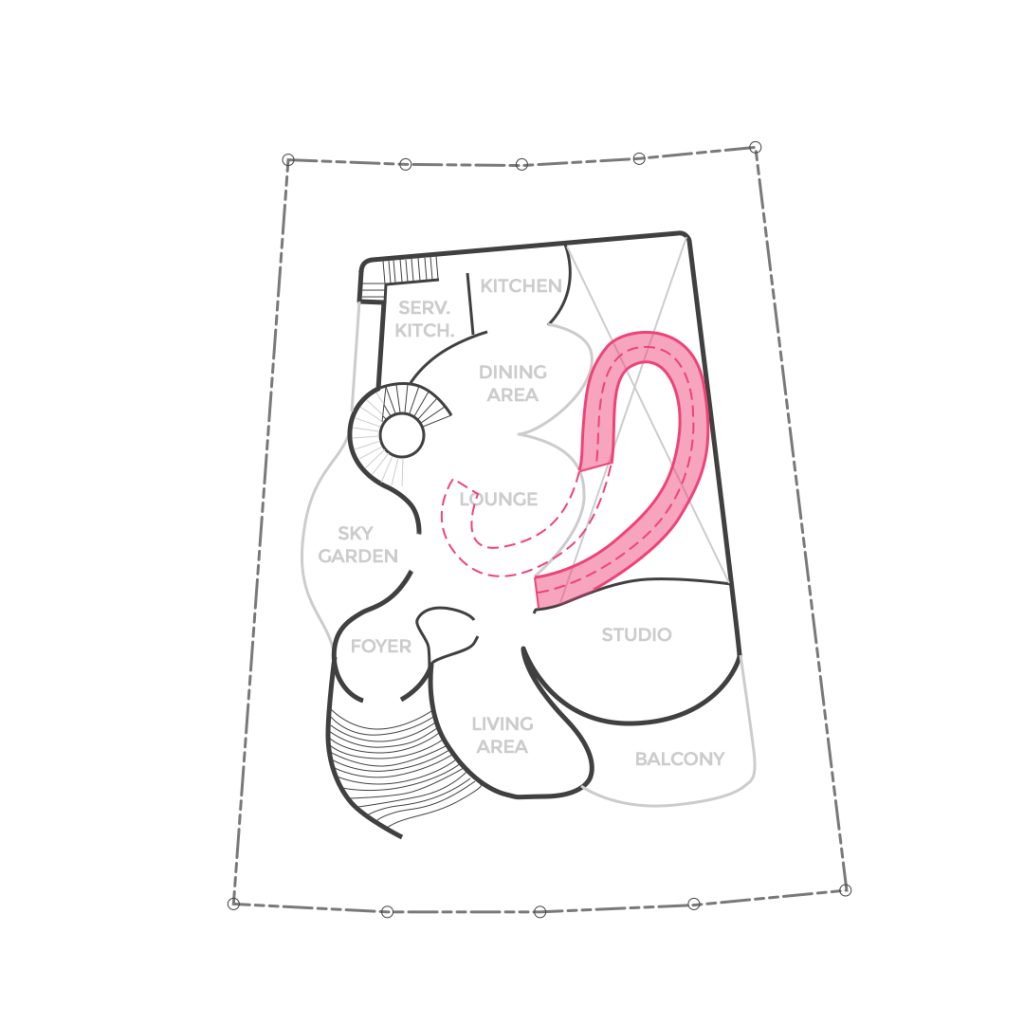
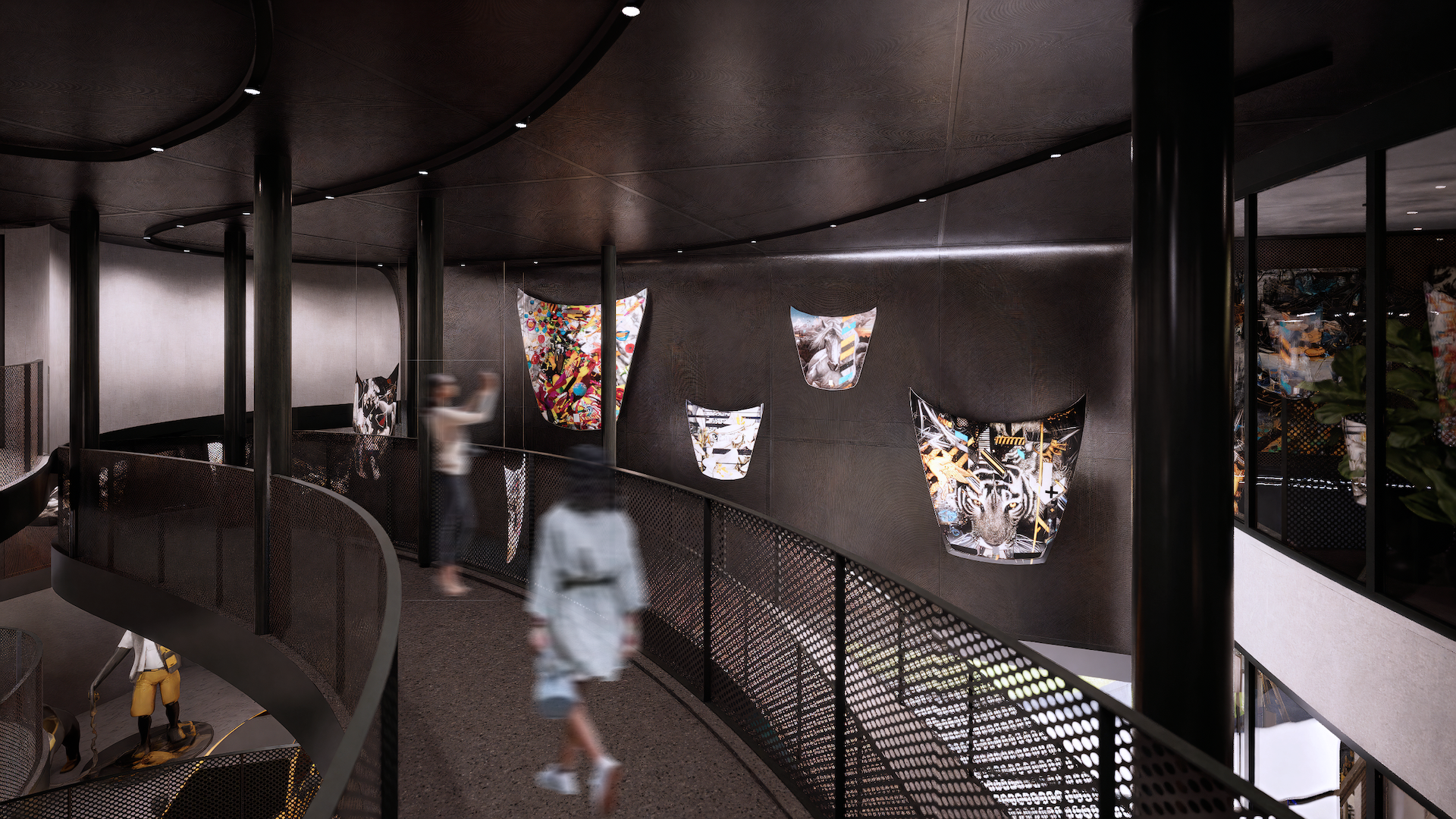
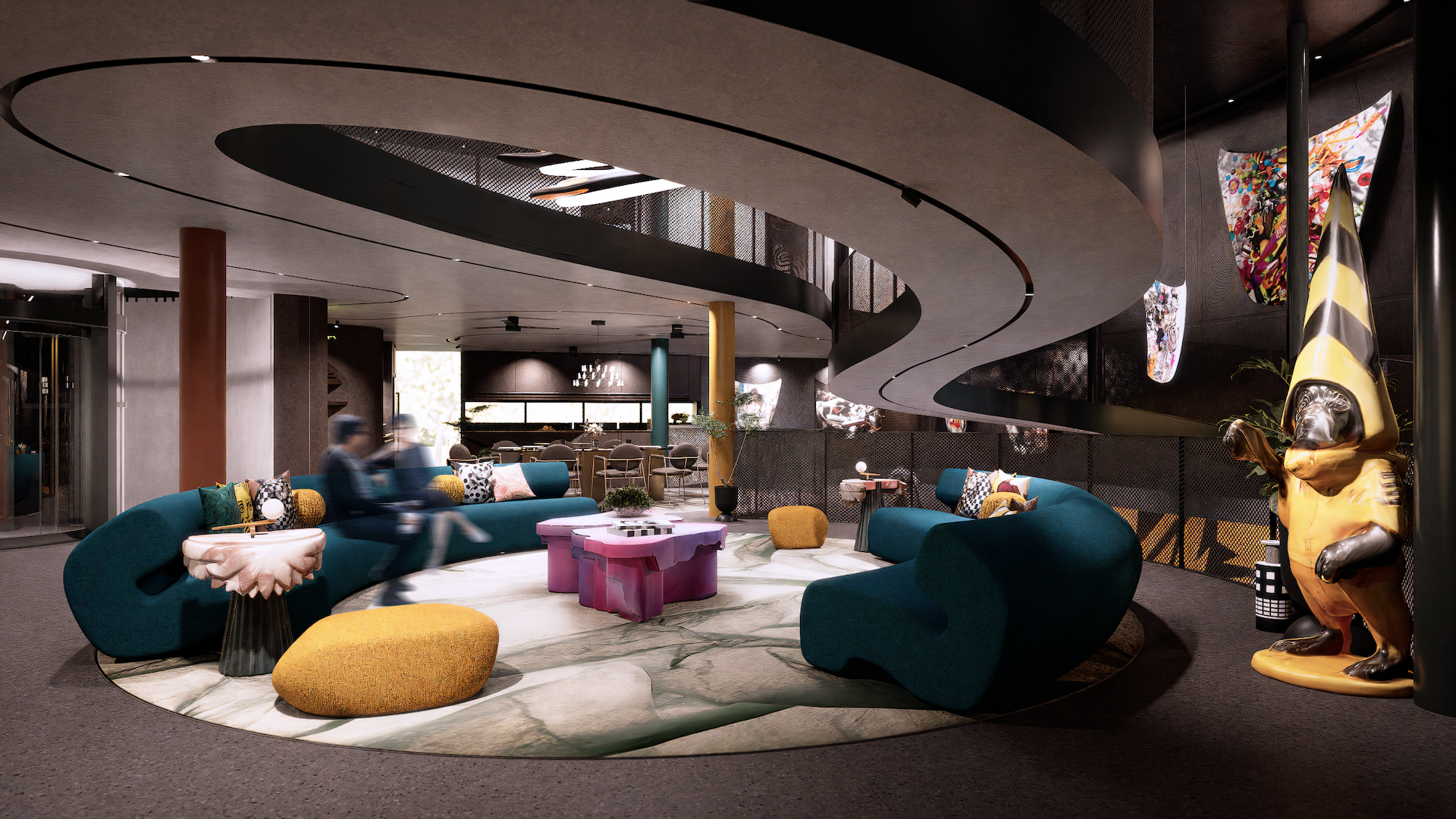
Connecting the spaces adjoining this large triple-height space then required a more elaborate approach to accessibility. Stairs are often the primary solution to vertical access, but these are often considered as liminal transition spaces. By providing a sinuous ramp that curves around the corners of this void area, users are able to occupy the triple-height volume and interact with the area above the garage.
The Facade
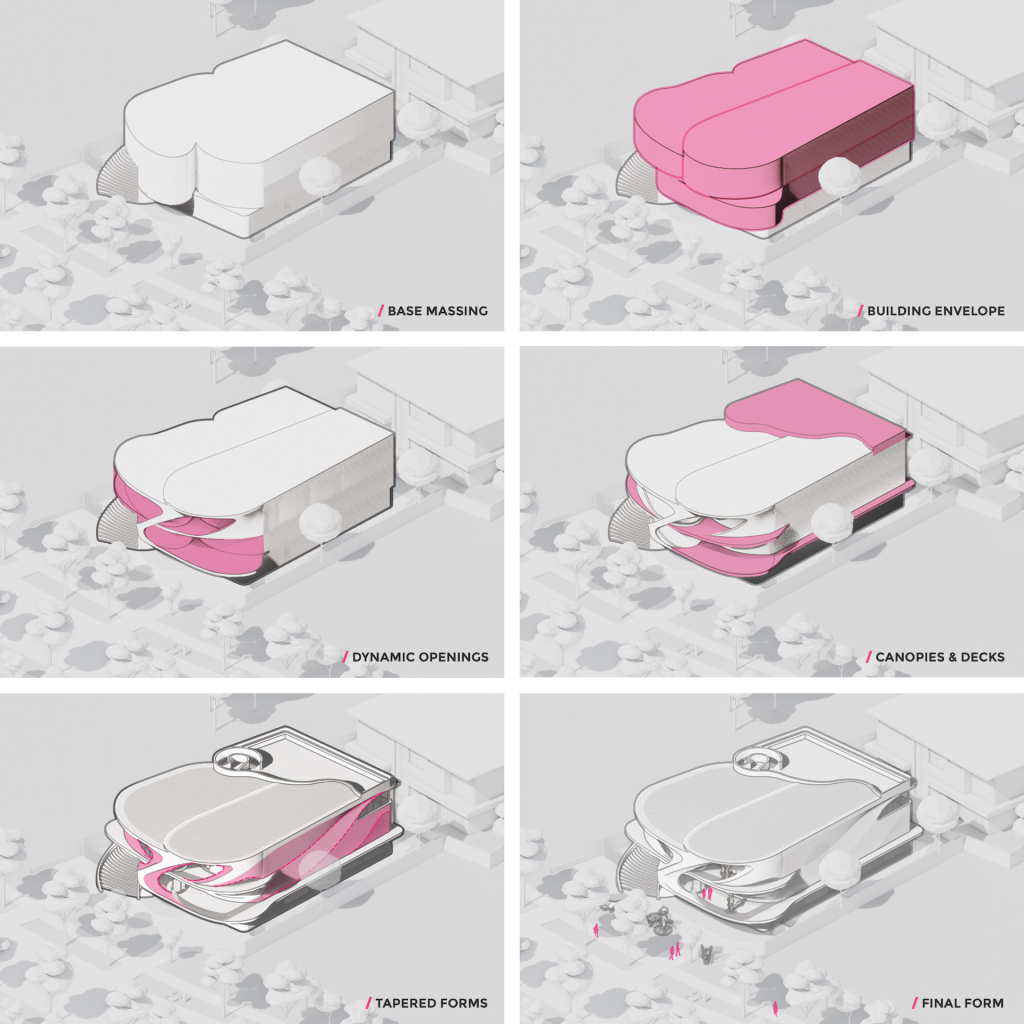
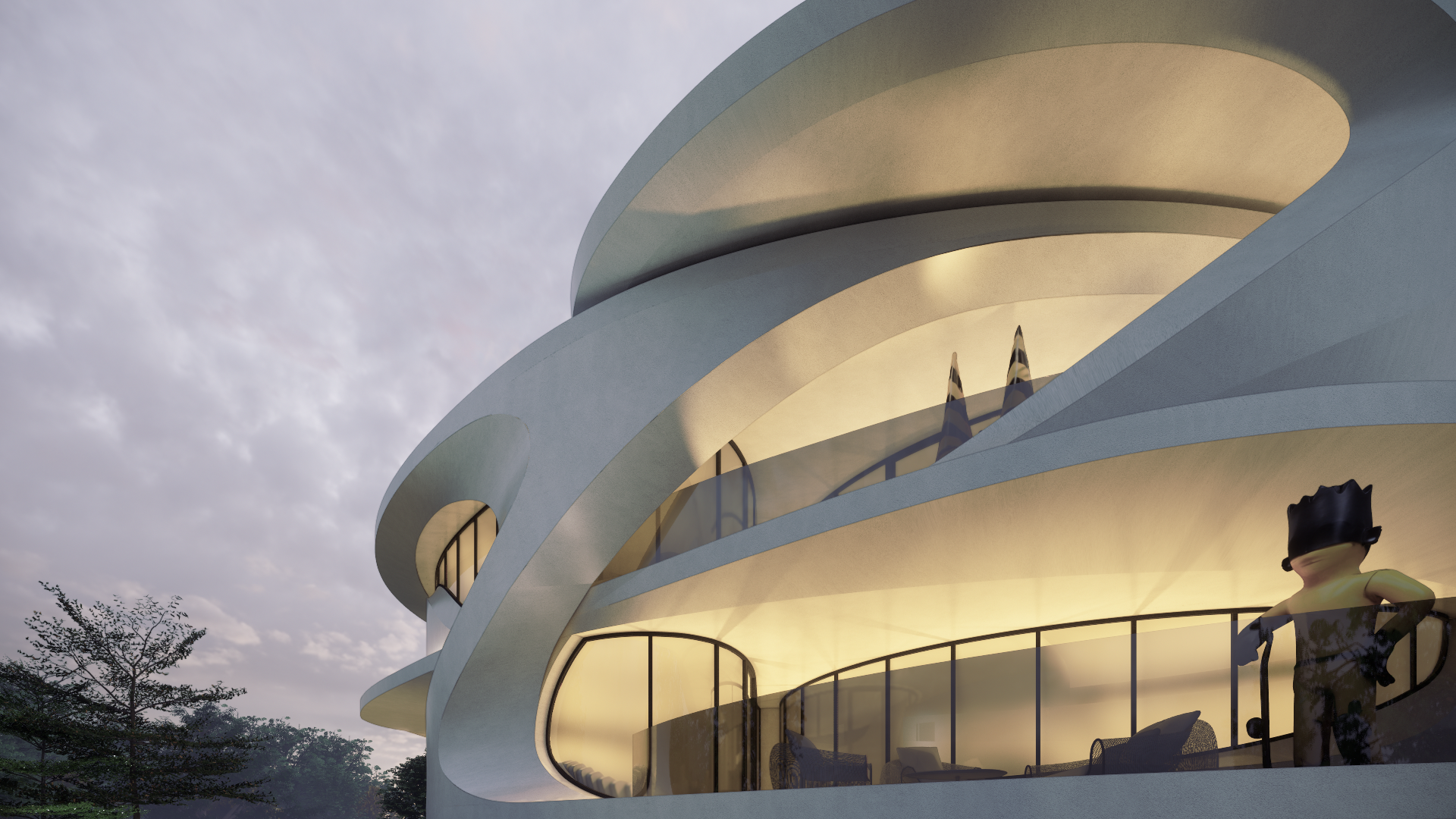
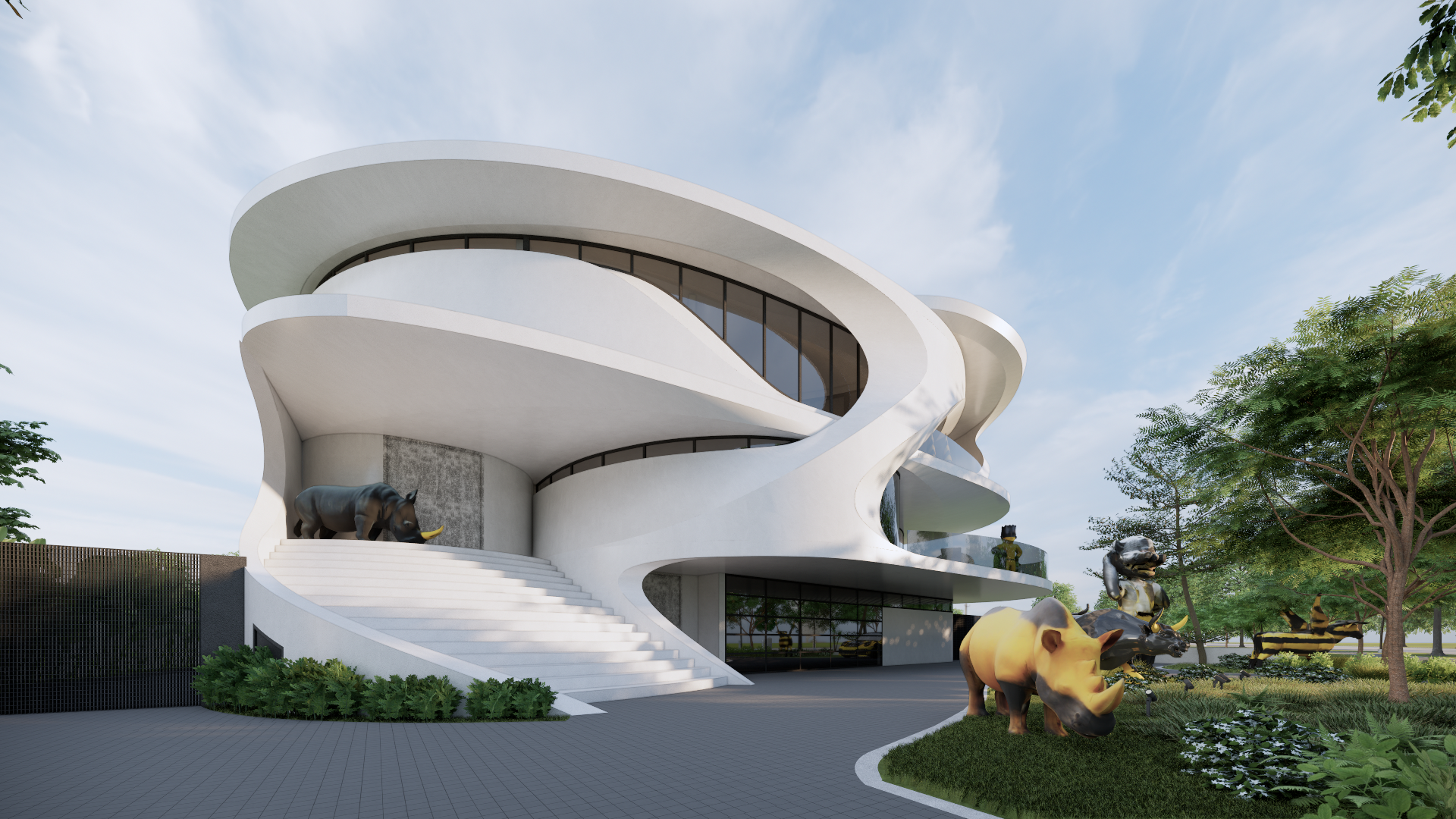
As a reflection of the contemporary brief and program, the facade became a direct expression of the project’s novelty. As an art gallery, the facade had to reflect a level of visual interest which prompted the use of fluid and organic forms. Inspired by the curvilinear designs of cars optimized for aerodynamic efficiency, the facade adopted languid continuous curves that connected all corners of the house into a single uninterrupted surface.
This sculptural approach to the facade then helps to create a firm sense of place, becoming a landmark in its own right, and inviting others to begin a dialogue on how the contemporary home can be reimagined to serve as more than just a house.
Interiors
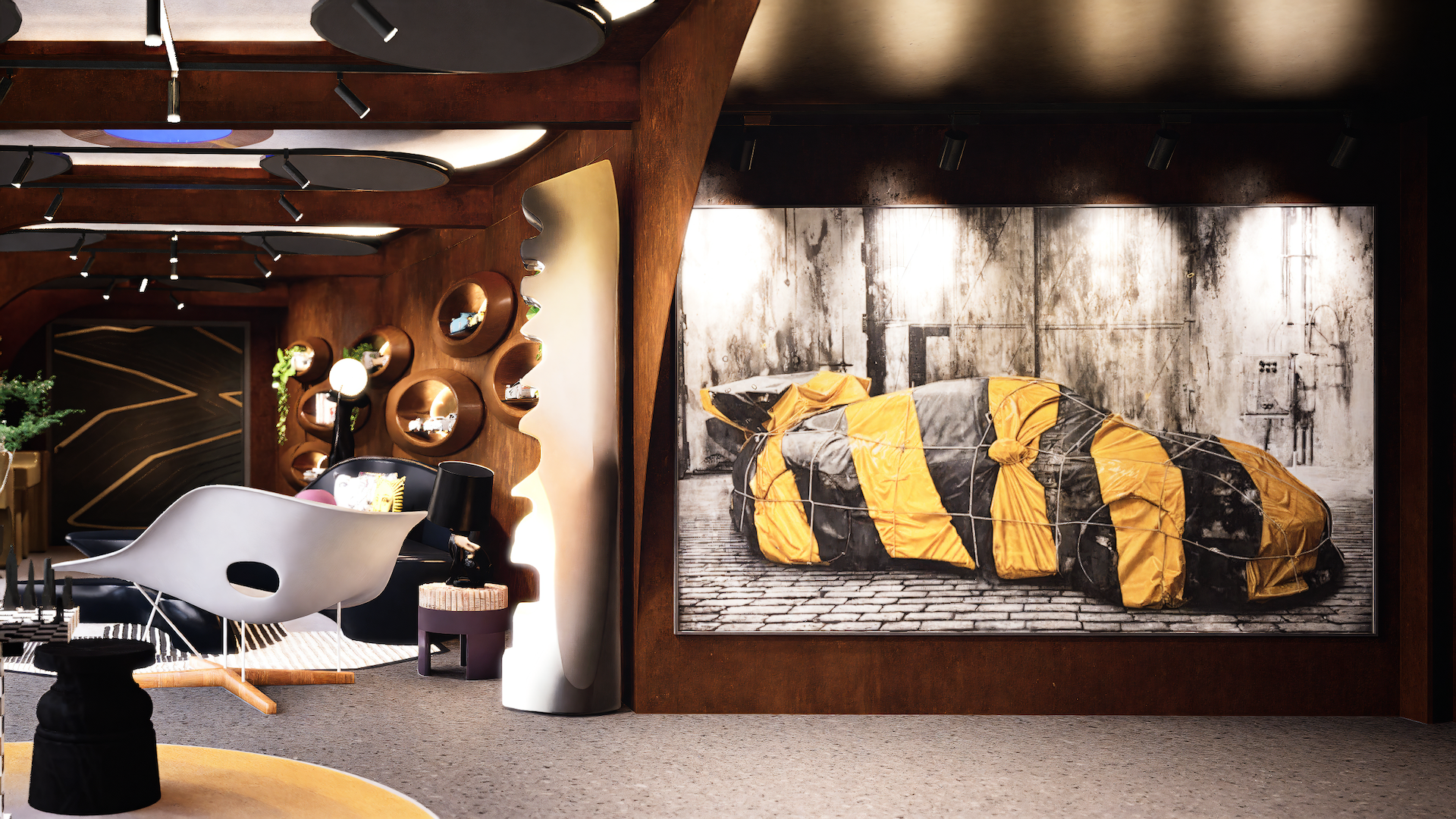
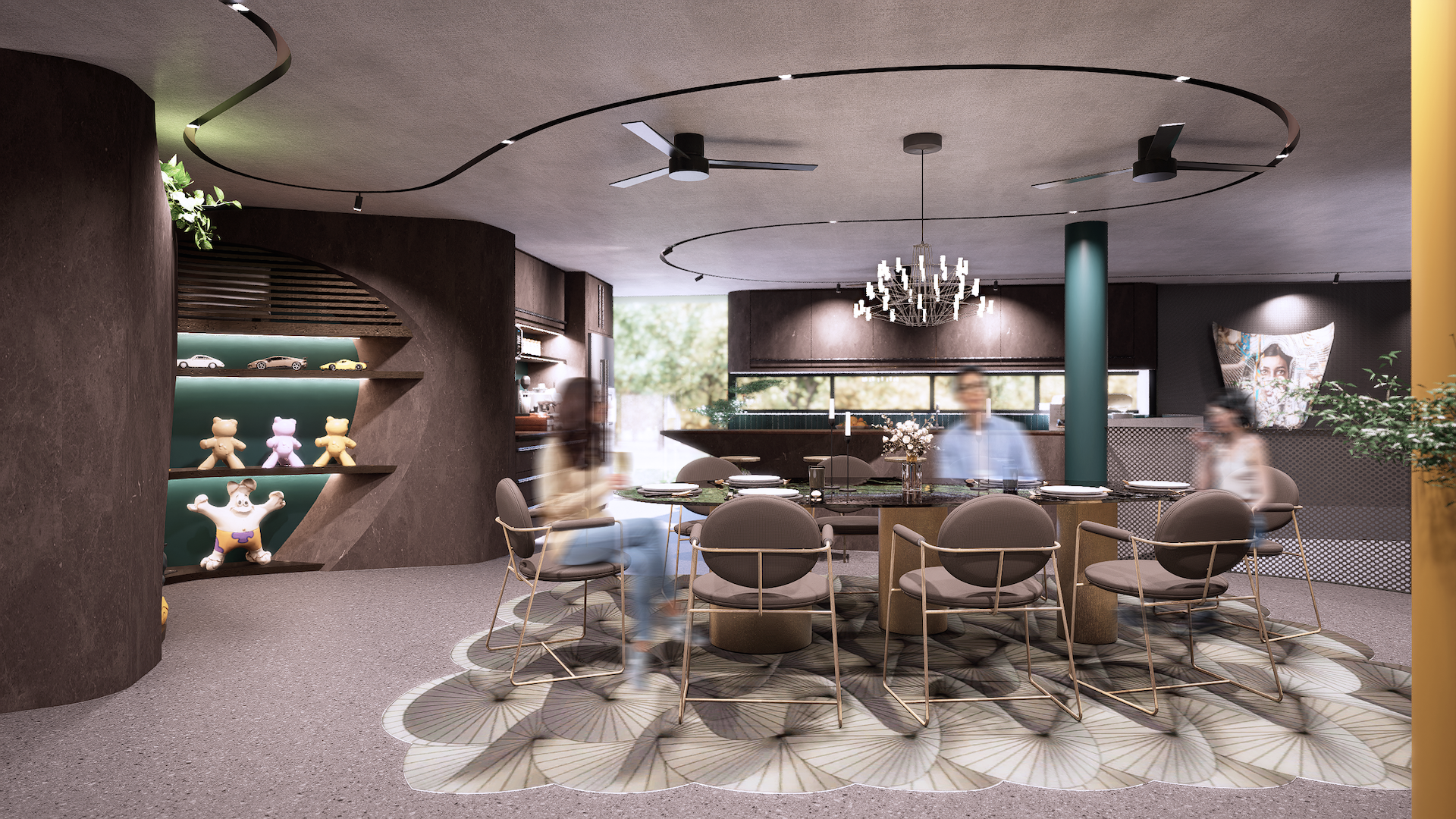
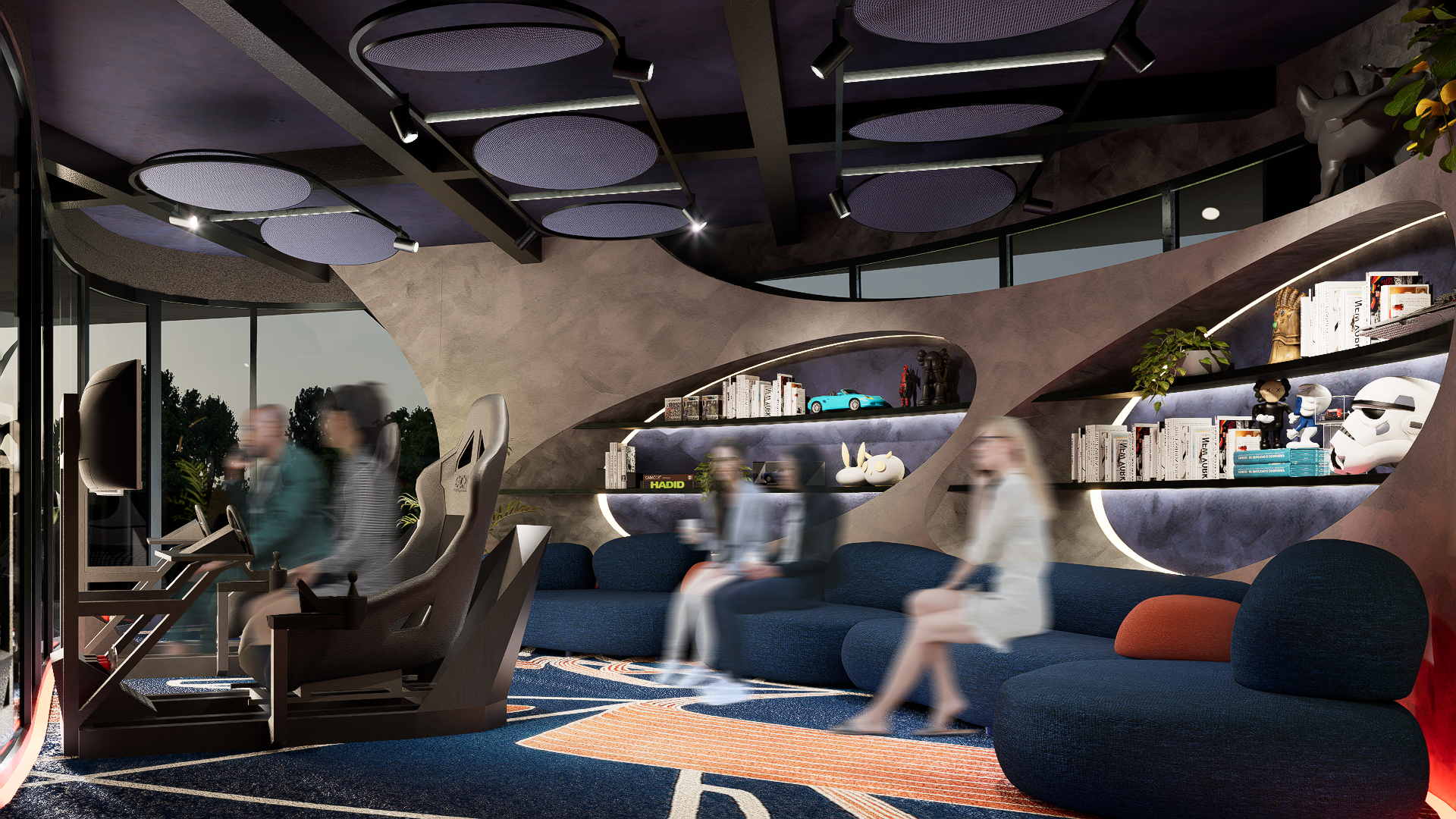
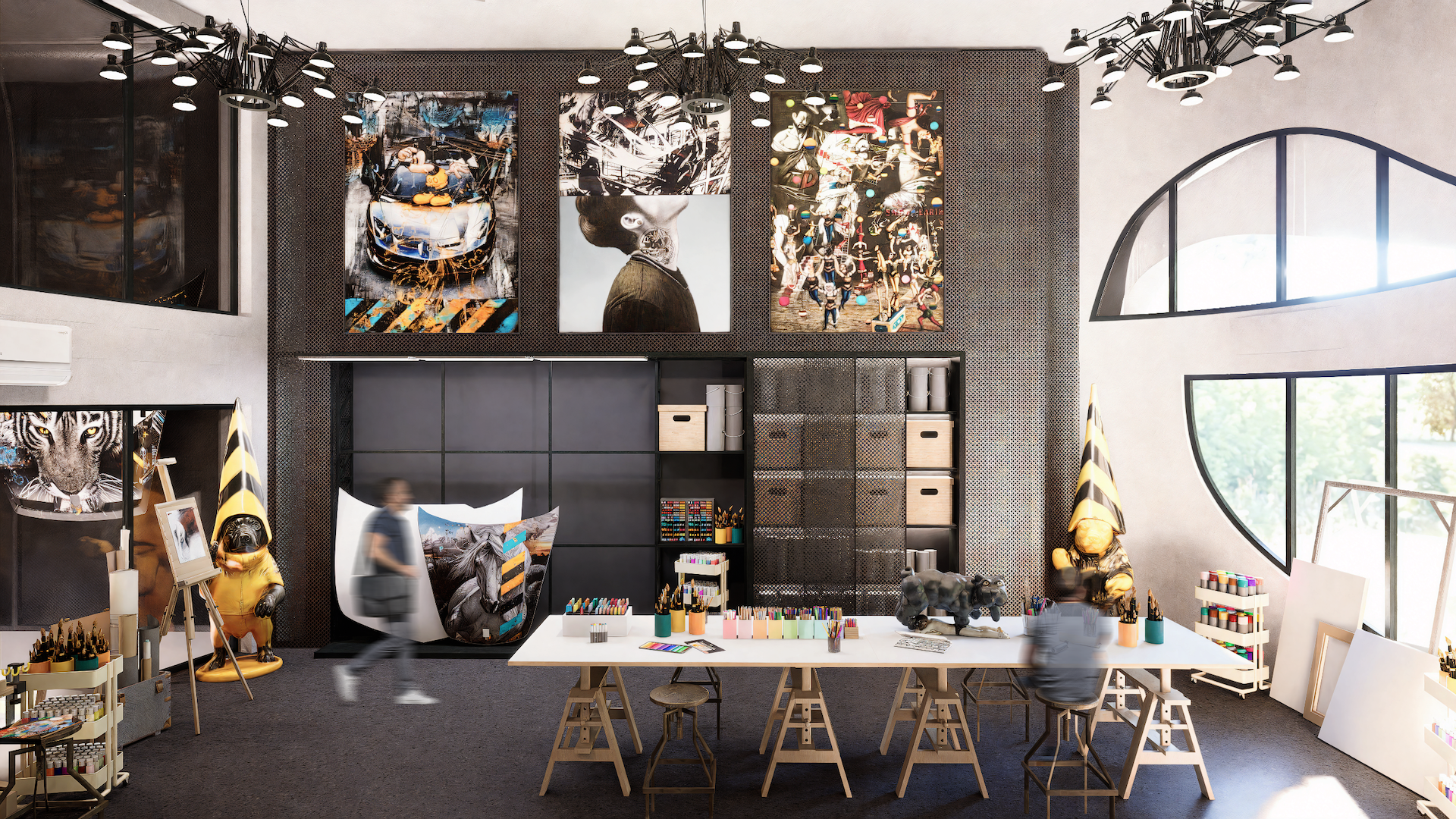
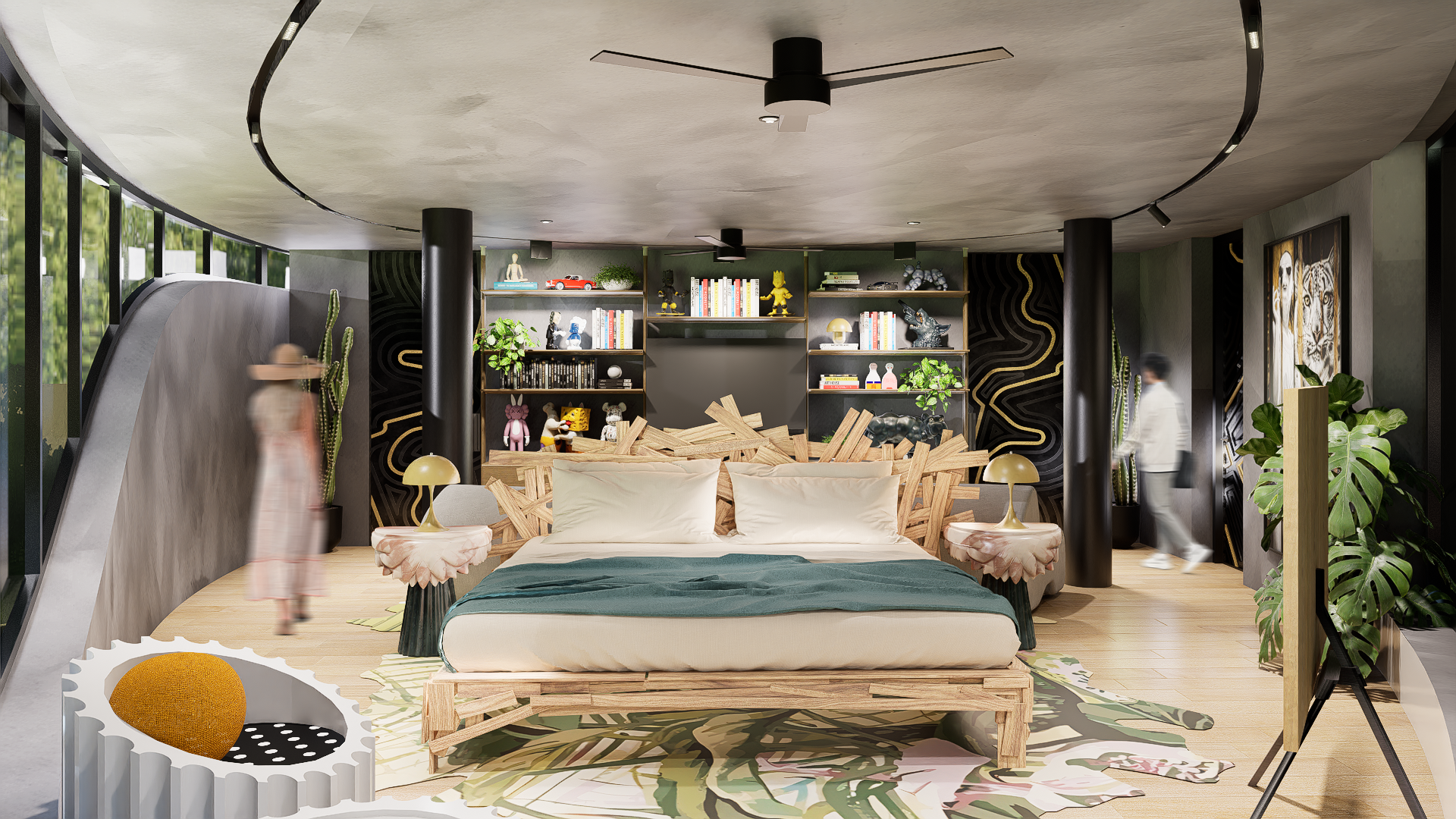
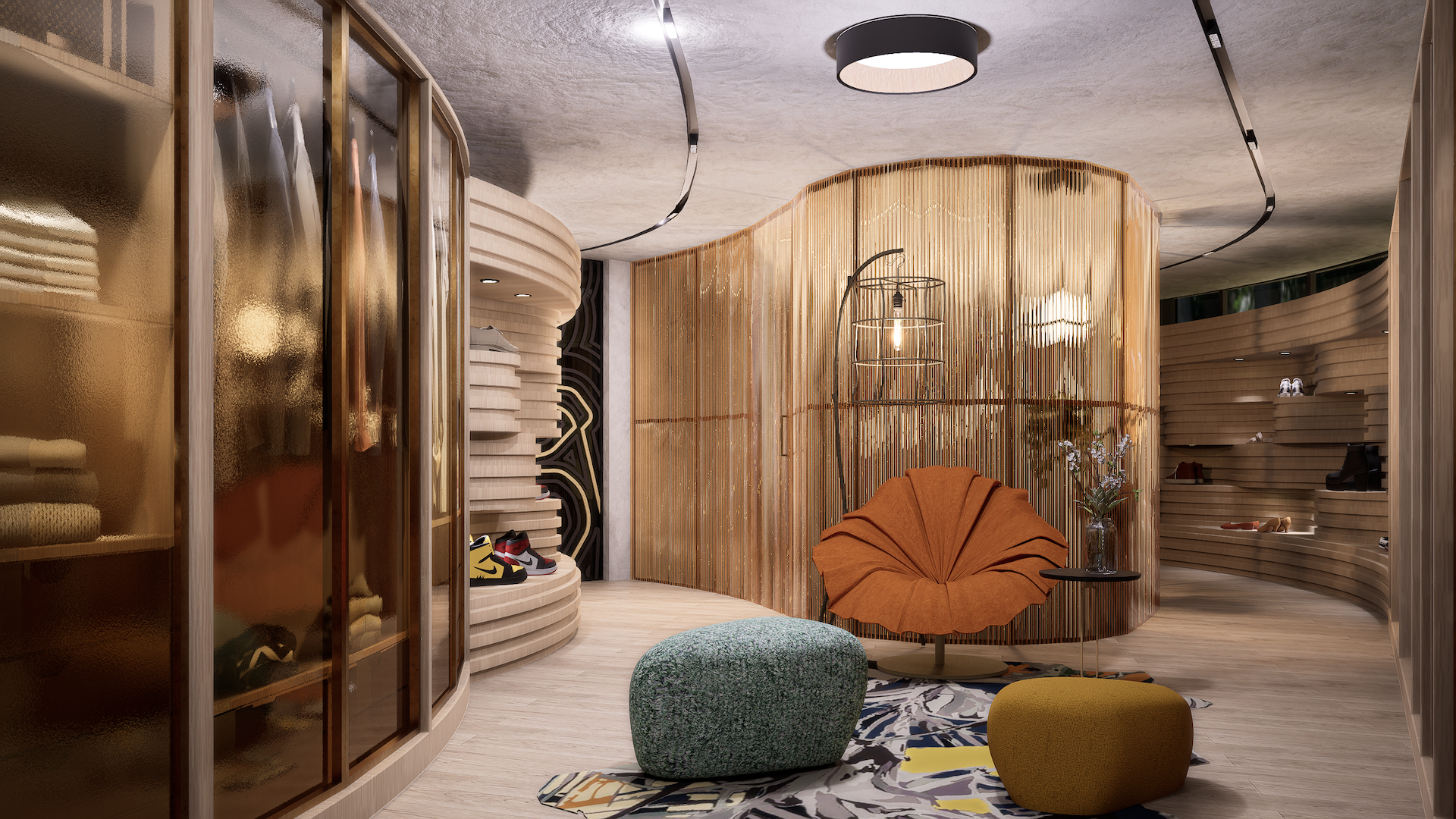
As with the architecture, the interiors adopt the same principles, exploring the contrast of modern art and the rugged nature of cars. In reflecting textures and finishes associated with vehicles, the interiors incorporate industrial elements such as steel finishes, perforated metal sheets and concrete—juxtaposed with various contemporary pieces of art and furniture in brighter, more vivid colors, breathing life and character into each space.
Project Team
Architecture / Interiors \
Jason Buensalido, Ems Eliseo, Martin Mendoza, Hershey Ramirez, Ismael Natanauan, Ygima Bay, Hannah Rivera, Froilan Ringor
Collaborators
Structural \ DCH Reyes Structural Design Consultancy
MEPF \ Space Gruppo Design Consultancy


